
Fixing a Clogged Drain Effectively

Clogged drains bring sneaky troubles that hit homes without warning—a tiny drip can turn into a major pain. Imagine hearing weird gurgles from the shower or watching the sink back up—that’s a nightmare. Quick fixes like pouring hot water or using baking soda stop floods and expensive repairs before they start. Knowing when to jump on clogs or call a plumber keeps trouble from growing. Here’s a kicker: nearly 80 percent of plumbing issues come from blocked drains. Learning these simple tricks can keep water flowing smooth as silk and make life way easier. Keep reading to unlock secrets that make drain problems vanish and save stress for good.
Good plumbing habits prevent many clogs, but when one develops you need clear options. Below you will find clear causes, targeted DIY techniques, a list of useful tools, tips on safe methods to protect pipes, and guidance on selecting a reliable service when it is time to bring in outside help.
Common causes of household drain clogs and how they form
Understanding why a drain clogs helps you treat it the right way and avoid repeat problems. Typical causes include hair buildup, grease and food residue, mineral scale in hard water areas, soap scum, and foreign objects flushed by mistake. Each cause leaves a pattern that points to the best repair method.
For example hair tends to collect at bends near shower and sink traps while grease and food leave sticky deposits in kitchen lines. Mineral scale forms slowly where water has high mineral content and will narrow the pipe diameter over time. Recognizing the pattern reduces trial and error and prevents unnecessary actions that could make the problem worse.
Early signs that a clog is developing
Spotting early signs lets you act before a complete blockage occurs. Watch for slow draining, gurgling noises when water runs, water backing up in a nearby fixture, or bad odors that come from the drain. Slow drainage in multiple fixtures can signal a problem in the main sewer line rather than an isolated branch.
Testing is simple. Fill a sink with some water and then release it. If it drains slowly consider this a warning sign. For toilets try flushing and then watching the bowl for a slightly higher water level than usual. When multiple fixtures are affected you may need a professional diagnosis to find the exact location of the blockage.
DIY techniques that work for common clogs
Many clogs are manageable with basic tools and safe techniques. Start with the least invasive options and move to more forceful measures only if needed. Always protect your hands and eyes and avoid mixing chemical products.
Plunger and mechanical methods
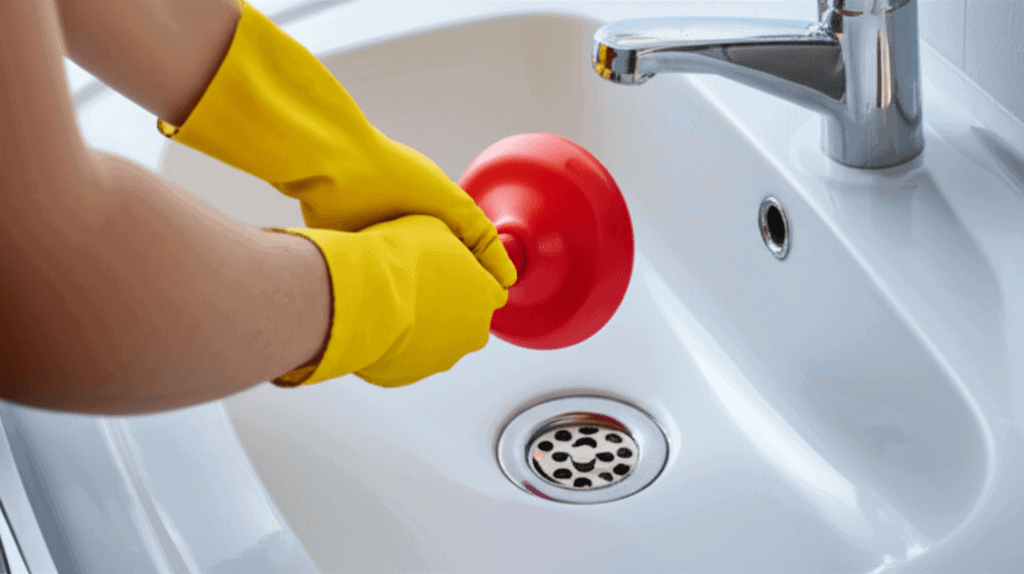
A plunger is often the fastest fix for a sink, tub, or toilet blockage. Use a cup plunger for sinks and a flange plunger for toilets. Create a tight seal around the drain and push with steady, controlled thrusts. Ten to twenty vigorous pumps will usually dislodge a soft clog.
For deeper blockages a plumber snake or hand auger can reach further into the line. Feed the auger until you feel resistance then rotate and pull back to break up or retrieve the clog. These tools are inexpensive to rent or buy and are a safe mechanical option when used correctly.
Safe chemical alternatives and homemade solutions
Avoid pouring harsh drain cleaners down the pipe when possible. They can damage older pipes and they are hazardous to handle. Instead try a baking soda and white vinegar treatment. Pour a cup of baking soda down the drain followed by a cup of vinegar. Wait 15 to 30 minutes then flush with hot water. This can clear mild buildups and remove odors without corrosion risk.
For grease clogs in kitchen drains a pot of simmering water can melt and flush away the residue. Do not pour boiling water into PVC lines as extreme heat can soften the plastic. Use hot but not boiling water and repeat the process several times if needed.
Tools and materials to keep on hand
Having a small kit ready helps you tackle a clog before it escalates. Essentials include a quality plunger, a drain snake, a pair of nitrile gloves, a bucket, adjustable pliers for trap removal, and a flashlight. Keep a bottle of enzyme drain cleaner for maintenance use only. Enzyme cleaners are less corrosive and work over time to break down organic matter.
- Plunger for quick seals and pressure
- Drain snake for reaching deeper clogs
- Gloves and eye protection
- Bucket and towels for trap work
- Adjustable pliers to remove the P trap
- Enzyme cleaner for routine preventive care
When to open the trap and how to do it safely
Removing the P trap under a sink gives direct access to many common clogs. Place a bucket under the trap before loosening the slip nuts. Loosen the nuts with adjustable pliers and remove the trap. Inspect and remove debris then rinse the trap and reassemble. Tighten the slip nuts by hand and then give a slight turn with the pliers to make a snug connection.
Be careful with older fittings that can crack if over tightened. If you see corrosion or a damaged trap replace it with a new section. Replacing a trap is a straightforward repair that many homeowners can do in under an hour.
When a clog needs professional service
Some clogs are beyond simple fixes. If multiple fixtures are slow or backing up, if water is standing in the lowest drains, or if plunging and snaking fail, call a licensed plumber. Main sewer line problems, tree root intrusion, collapsed pipes, and serious grease buildup usually require specialized equipment and training.
When you need local help search for companies with strong reviews, valid licensing, established warranties, and transparent pricing. One reputable option in the area is Berkeys in Frisco which lists drain repair services and can inspect more complicated blockages. Request a camera inspection to see exactly where the problem is located and what type of repair will be best for long term performance.
What to expect from a professional visit
A professional plumber will typically run a camera through the line to pinpoint the clog. This prevents unnecessary digging or guesswork. From there common solutions include snaking, hydro jetting to remove grease and scale, local excavation to access a damaged section, or pipe relining to seal cracks without replacing the whole run.
Prevention tips to reduce future clogs
Preventive care reduces the frequency and severity of clogs. Adopt simple daily habits like using drain screens for hair and food particles, scraping plates into the trash before rinsing, and wiping greasy pans instead of washing away grease. Run hot water after every dishwashing cycle to push residue through the trap and into the sewer.
- Install sink and shower strainers and clean them regularly
- Keep cooking grease out of the drain by disposing of it in the trash
- Run hot water after detergents and soaps to reduce build up
- Schedule a professional drain cleaning every 12 to 24 months if you have a lot of tree roots or older pipes
Safety and environmental considerations
Many common drain cleaners contain harsh chemicals that can harm pipes and local waterways. Choose enzyme cleaners for maintenance and use mechanical methods for removal when possible. If a chemical treatment is necessary follow product directions closely and ventilate the area. Wear gloves and eye protection to avoid injury.
For complex issues like sewage backups wear protective gear and limit access to contaminated areas. A professional can manage cleanup and disposal in a way that meets local health codes and reduces exposure risk to your household.
Fixing a clogged drain effectively requires the right approach for the type and location of the blockage. Start with observation to identify the likely cause then use the least invasive method that is likely to clear the problem. Keep a basic tool kit on hand for quick action and adopt preventive habits to reduce recurrence. If a clog impacts multiple fixtures or resists DIY methods call a licensed plumber for a thorough inspection and repair.
When you act quickly you limit water damage and keep small issues from turning into major repairs. If you need localized service or a camera inspection contact a reputable provider near you to discuss options and costs. Regular maintenance is an investment that pays off through fewer emergency calls and longer pipe life. Take action today and tackle slow drains before they become a larger problem in your home.