
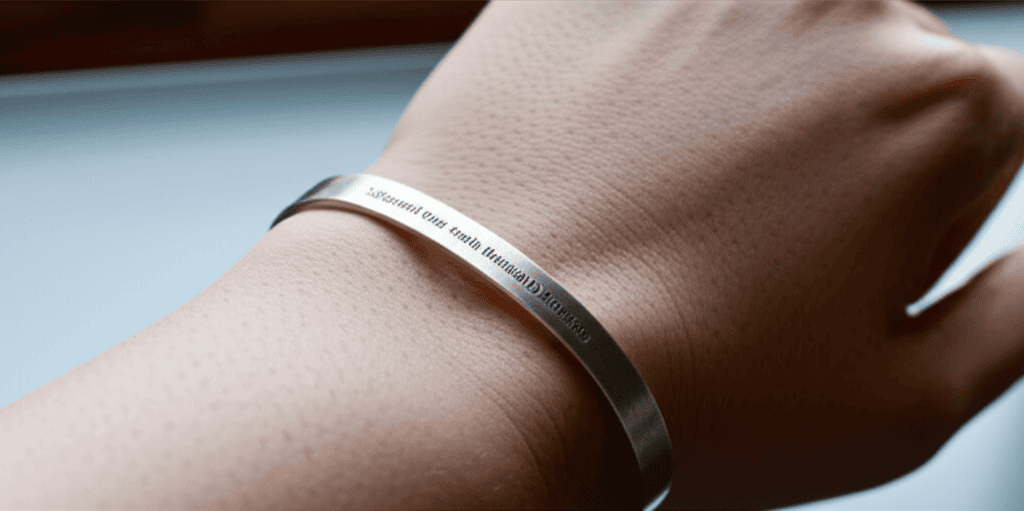
Safeguard Your Health with Medical ID Bracelets

Wearing a Medical ID bracelet acts like a secret weapon for your health, ready to jump into action when you need it most. It sends out quick, important info during emergencies, cutting down the chance of mistakes that can cost time and safety. When health issues hit suddenly or happen a lot, this small bracelet becomes a big help, showing exactly what’s needed without wasting a second. Paramedics often spot these IDs first, making the difference between chaos and fast, smart care. Think of this little band as a trusty lifesaver that keeps you ready for anything life throws your way. Keep reading to find out how being prepared can change emergency moments into smooth recoveries.
In this article I will walk through why these items matter, how to choose them, what to include on them, and ways to use them every day. You will get concrete examples, simple tips, and clear steps you can take right now to make sure your health is protected while you go about your normal routines.
Why Safeguard Your Health with Medical ID Bracelets matters now
Medical emergencies often happen without warning and in environments where responders have little information. A short line of text on a bracelet can change a treatment path in seconds. For example when someone with type 1 diabetes becomes confused and unable to speak a visible ID can prevent a dangerous insulin error. In another scenario a person with severe allergy to penicillin can avoid a harmful antibiotic if that allergy is shown at first glance.
Emergency teams are trained to look for identification that signals special medical needs. In practice this means that a simple band worn at all times increases the odds that responders and clinicians will act appropriately from the start. That small step has measurable benefits for outcomes and can reduce delays in care.
How medical ID bracelets communicate critical information effectively
Good design and clear wording are the core features that make a medical ID bracelet useful. The goal is to communicate the most important facts in a compact format that is readable in low light or in stressful conditions. Standard items to display include current medications that affect emergency treatment, chronic conditions that alter care decisions, and contact details for a trusted person.
A practical layout usually begins with the most urgent item for emergency care. For instance a front line message might read insulin dependent diabetes followed by an emergency contact number. Short abbreviations that are widely understood help save space for essential details. Do not cram too much text on a single line. Keep messages concise and prioritized.
Choosing the right medical ID bracelet for your needs
There is no single style that fits everyone. Selecting a band requires thought about lifestyle, medical needs, and wear patterns. If you work in a physically active job choose a model that is durable and water resistant. If you prefer a discreet look select a slim metallic band or an engraved pendant on a thin chain. For children bright colored silicone bands can be easier to wear and harder to lose.
Materials and durability
Material choices affect comfort and longevity. Stainless steel and titanium resist corrosion and are good for long term daily wear. Silicone can be more comfortable for sports and water activities but will need replacement over time. Leather and fabric options offer different looks but may not hold up in wet conditions. Think about sweat, showering, and any job related wear when you decide.
Closure types and sizing
Security matters because a loose bracelet can fall off when it is needed most. Choose closures that feel secure for your wrist size. Adjustable clasps work well for adults who have fluctuations in swelling. For young children consider bands with tamper resistant closures that minimize the chance of accidental removal.
What information to include on a medical ID bracelet
There is limited space on most tags so pick details that directly affect immediate care. Use a prioritized list when planning the engraving. Typical order of importance is condition or risk factor, critical medication or treatment details, and then an emergency contact. Examples of concise messages that work well include insulin dependent diabetes, severe penicillin allergy, pacemaker implanted, and on blood thinner warfarin.
- Condition or diagnosis that changes emergency protocols
- Medications that interact with common emergency drugs
- Procedures such as organ transplant or pacemaker
- Contact information for next of kin or primary caregiver
If you have more complex medical history consider pairing the bracelet with a digital file stored on a smartphone or a QR code printed on the tag that links to a secure health record. Keep that file updated so any additional context is accurate when accessed.
Real world examples where medical ID bracelets changed outcomes
Stories from emergency medicine highlight the value of visible medical information. A paramedic report noted a case where a middle aged runner collapsed during a marathon. The presence of a bracelet stating severe sulfa allergy prevented administration of a common antibiotic that would have caused a life threatening reaction. In another case a child with adrenal insufficiency received life saving steroids promptly because a teacher recognized the identification bracelet and followed the emergency plan on file.
These are not isolated incidents. Hospitals and ambulance services report many instances when time critical decisions matched information found on a bracelet. The common thread is that clear, consistent identification filled an information gap in a moment when seconds were critical.
Integrating medical IDs into everyday risk management
Think of a medical ID bracelet as one tool in a wider habit of preparing for health events. Carrying accessible documentation, sharing emergency plans with close contacts, and making sure providers have up to date records are all useful steps. Wearing a visible identifier reduces friction when first responders or bystanders need to make a rapid decision.
For practical reference and options, see this concise overview of design approaches and use cases for medical bracelets that can be worn every day. Use that type of resource to compare styles for durability and readability so you can pick a solution that matches how you live.
Practical tips for maintaining and updating your medical ID bracelet
Keep the information current. If you start or stop a medication that affects emergency care, update the engraving or replace the tag. Check the legibility of the text periodically. Scratches and worn plating can make important words hard to read when it matters. For bands with replaceable plates make a habit of inspecting them once every three months.
- Store a photograph of the bracelet and tag with your medical records so replacements are accurate
- Test closures and links after rough activity to confirm they remain secure
- Consider a second form of ID for situations where a bracelet could be removed or damaged
For people who travel frequently keep a translated note of critical medical conditions in the local language of your destination. Print it and place a copy in your wallet to complement the bracelet. That step reduces the time required for translators or tools to interpret your needs.
Legal and privacy considerations when using medical ID information
There are privacy issues to weigh when you put medical facts on an item that anyone can read. Balance the need for quick access in emergencies with the risk of revealing sensitive details to strangers. A common approach is to keep the most urgent information public on the tag and save fuller details in a secure record that is accessible by trusted people or medical professionals.
Legal protections vary by location but in most places first responders prioritize care over privacy concerns in acute situations. If you are concerned about identity theft or misuse of information consider avoiding very specific data such as full NHS or social security numbers on a tag. Use a short ID code that links to a secured file instead.
Deciding to wear a medical ID bracelet is a small change that can yield significant advantages in time sensitive situations. It reduces guesswork, clarifies treatment choices, and provides a simple signal to responders and bystanders. Start by listing the single most important detail that would alter your emergency care then choose a durable, readable band that fits your daily habits. Keep records updated and pair the bracelet with a secondary source of detailed information when needed. Take action today by checking the status of your current ID or ordering a new band that reflects your present medical needs. Wearing one is a forward looking step that protects you and helps others act quickly when it matters most.